
















Feeling Unsexy? How to Reconnect With Your Sensual Self

This content is for informational purposes only and does not constitute medical advice. Consult a healthcare professional for personal guidance.
Key Takeaways
- Feeling disconnected from your sensuality is common and temporary, not a permanent condition
- The disconnect typically stems from stress, body changes, routine, or emotional numbing
- Reconnection happens through the body, not through thinking -- somatic practices work best
- Small daily sensory rituals are more effective than grand gestures
- Your sensuality exists independently of any partner
There was a time when you felt alive in your body. When fabric against your skin could shift your mood, when music moved through you physically, when you caught your reflection and felt warmth rather than criticism. That version of you has not disappeared. It has been buried under work deadlines, household management, the mental load of a life lived on autopilot.
Feeling unsexy is a state, not a trait. And unlike what most advice suggests, you cannot think your way back to sensuality. No amount of affirmations will reconnect you to a body you have been living beside rather than inside. Reconnection happens through sensation, movement, and deliberate physical attention.
Understanding the Disconnect
Chronic Stress
Persistent stress activates the sympathetic nervous system, suppressing the parasympathetic response needed for relaxation and sensory awareness. You are living in survival mode, and survival mode has no room for sensuality.
Body Changes
Pregnancy, weight shifts, ageing, illness -- any significant physical change can disrupt your sense of identity. When your body no longer matches your internal image, dissonance creates distance.
The Routine Trap
When daily life becomes entirely functional, sensory richness gets stripped away. Your body becomes a vehicle for tasks rather than a source of pleasure. Over months, this functional relationship becomes the default.
Emotional Armour
After painful experiences -- betrayal, grief, criticism -- numbing yourself can feel protective. But this armour does not distinguish between sensations you want to avoid and ones you want to feel.
The Reconnection Practices
Practice 1: Morning Body Check-In (3 Minutes)
Before reaching for your phone, lie still and scan your body from toes upward. Notice warmth, coolness, tension, lightness. Do not judge -- just notice. This retrains your brain to perceive your body as a source of sensation rather than merely functional apparatus. After weeks of consistency, people report noticing desire that had been present but unregistered.
Practice 2: Sensory Anchoring
Choose one daily activity and make it fully sensory. Your morning chai: feel the cup's warmth, smell the spices, let the first sip be slow. Your shower: feel water temperature on different skin, notice soap texture. The practice of being present during pleasurable experience builds neural pathways for presence that stress has weakened.
Practice 3: Movement for Pleasure
Dance in your kitchen. Stretch in ways that feel good rather than prescribed. Walk slowly through a garden. The distinction is internal versus external motivation. Movement chosen because it feels good builds an appreciative relationship with your body. Movement as punishment reinforces the evaluative one.
Practice 4: Touch Reconnection
Most people touch themselves only to wash or dress. After a shower, take two minutes to apply oil slowly and attentively. Notice your hands on your skin. Feel different textures across your body. Using MyMuse Glow Relaxing massage oil (Rs 599) makes this feel intentional and luxurious. This rebuilds a care relationship with your body that extends naturally to how you receive touch from others.
Practice 5: The Desire Inventory
Write ten things that make you feel good in your body. Hot baths. Clean sheets. A specific song. Sunlight. Certain fabrics. Then incorporate one daily for a week. This builds a "pleasure vocabulary" -- conscious awareness of what brings physical enjoyment -- that naturally extends into intimate territory.
The Partner Dimension
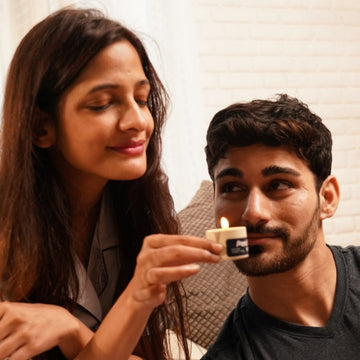
If partnered, explain that you are reconnecting with yourself rather than withdrawing from them. Invite them into practices. A slow massage with MyMuse Melt massage candle (Rs 799) creates shared sensory experience without performance pressure. The warm oil on skin, combined with unhurried touch, bridges the gap between where you are and where you want to be.
Feel Sexy Again: Your Questions Answered
How long before I feel reconnected?
Most people notice shifts within two to three weeks of daily practice -- noticing overlooked sensations, feeling more present, experiencing small moments of pleasure during ordinary activities. Deeper reconnection builds over months.
What if the disconnect is trauma-related?
These practices help but should be complemented by trauma-informed therapy, particularly somatic approaches. Go slowly, respect your boundaries, and seek professional support if emotions feel overwhelming.
Can I do these practices if single?
Absolutely. Reconnecting with sensuality is fundamentally a solo practice. Your relationship with your body exists independently of any partner, and the self-knowledge built enriches any future partnership.
I feel guilty taking time for this. Is that normal?
Very normal, especially in Indian cultural contexts where self-care is seen as selfish. Reframe it: sensory wellbeing is maintenance, not indulgence. You would not feel guilty about eating or sleeping.
- Therapist-Informed Practices
- Body-Safe Products
- Discreet Packaging
- Trusted by 3.75L+ Customers
Your Wellness, Your Way
Sensual reconnection starts with intentional practices. MyMuse's massage oils and candles make self-care feel luxurious.
Explore the RangeLast updated: April 2026