















The Complete Guide to Lubricant (Yes You Need One, No Matter What)

This content is for informational purposes only and does not constitute medical advice. Consult a healthcare professional for personal guidance.
Key Takeaways
- Lubricant is not a sign that something is wrong with your body -- it is a normal, smart addition to any intimate experience
- Water-based lubricants are the most versatile: safe with condoms and silicone products
- Silicone-based lubricants last longer but cannot be used with silicone wellness products
- Oil-based lubricants break down latex condoms and increase infection risk
- Avoid lubricants with glycerin, parabens, fragrances, or warming/cooling chemicals for sensitive areas
Let us address the awkwardness up front. In India, buying lubricant still feels like a covert operation for many people. There is a persistent misconception that needing lubricant means something is wrong with you or your partner. That your body should produce enough on its own. That using lube is a sign of failure.
This could not be more wrong. Lubricant is to intimacy what olive oil is to cooking. You can technically cook without it, but everything works better, feels better, and flows better when it is there. Sexual health professionals universally recommend it, regardless of age, gender, or arousal level. The body's natural lubrication fluctuates based on hydration, hormonal cycles, medication, stress, time of day, and a dozen other factors. None of these fluctuations reflect on your desire or your body's health.
So let us talk about lubricant properly: what the different types do, when to use each one, what ingredients to avoid, and why this small addition can meaningfully improve your intimate life.
The Three Types of Lubricant
Water-Based Lubricant
Water-based lubricant is the most widely recommended type and for good reason. It is compatible with latex and polyisoprene condoms, safe to use with silicone wellness products, easy to clean up, and gentle on sensitive tissue. If you are buying your first lubricant and are unsure what to get, water-based is the answer.
The main limitation is that water-based lubricants can dry out during extended sessions and may need reapplication. Adding a small amount of water reactivates the lubrication without needing to apply more product, a useful trick that many people do not know.
Look for formulations that are free from glycerin (which can feed yeast), parabens, and added fragrances. The simpler the ingredient list, the better. MyMuse Glide (Rs 399) checks all these boxes: water-based, paraben-free, condom-compatible, and designed with sensitive skin in mind.
Silicone-Based Lubricant
Silicone-based lubricants have a distinctly different feel. They are silkier, last significantly longer without reapplication, and do not get absorbed by the skin the way water-based formulas do. This makes them excellent for extended intimacy and for use in water, such as in the shower, where water-based lubricants wash away almost immediately.
The critical limitation: silicone lubricants should not be used with silicone wellness products. The lubricant can degrade the surface of silicone products over time, causing them to become tacky, discoloured, or compromised. If you use body-safe silicone massagers, stick with water-based lubricant for those sessions.
Silicone lubricants are safe with latex condoms. They are harder to wash off skin and sheets, typically requiring soap rather than just water.
Oil-Based Lubricant
Oil-based lubricants, including coconut oil and other natural oils, have a loyal following. They feel luxurious, last a long time, and many people appreciate the natural ingredient profile.
However, oil-based lubricants come with significant cautions. They break down latex and polyisoprene condoms, making them unsuitable when barrier protection is being used. They can also trap bacteria and increase the risk of vaginal infections. Oil-based lubricants are not recommended for vaginal use by most gynaecologists.
Where oil-based lubricants can work well is for external massage and for people who use non-latex barriers (like polyurethane condoms) or no barriers at all in monogamous, tested partnerships.
| Feature | Water-Based | Silicone-Based | Oil-Based |
|---|---|---|---|
| Condom safe | Yes | Yes (latex) | No (latex) |
| Safe with silicone products | Yes | No | Yes |
| Longevity | Moderate | Long | Long |
| Easy cleanup | Very easy | Requires soap | Requires soap |
| Vaginal use | Recommended | Generally safe | Not recommended |
| Water play | Washes away | Excellent | Good |
Ingredients to Avoid
Not all lubricants are created equal, and the intimate care aisle is full of products that contain ingredients best avoided for sensitive tissue.
Glycerin. A sugar derivative that can feed the Candida yeast, potentially increasing the risk of yeast infections. If you are prone to yeast infections, glycerin-free formulations are non-negotiable.
Parabens. Preservatives that mimic estrogen in the body. While the research on their harm is not conclusive at the levels found in personal products, many people and healthcare providers prefer to avoid them as a precaution.
Fragrances and flavours. These can cause irritation, particularly on mucous membranes. If a lubricant smells like a fruit smoothie, it likely contains chemicals that sensitive tissue does not need.
Chlorhexidine. An antiseptic found in some lubricants that can disrupt vaginal flora and cause irritation.
Warming or cooling agents. Products labelled as warming or tingling contain chemicals like menthol or capsaicin that can cause anything from mild irritation to actual burning sensations. Approach with extreme caution and test on less sensitive skin first.
Nonoxynol-9. A spermicide found in some lubricants that can irritate vaginal and rectal tissue, potentially increasing susceptibility to infections.
When and Why to Use Lubricant
The short answer is: whenever you want to. There is no wrong time to use lubricant, and there are many situations where it is particularly beneficial.
During extended intimacy. Natural lubrication can diminish over time regardless of arousal level. This is physics and physiology, not a reflection of desire.
With condoms. Condoms create friction that can reduce sensation for both partners. Adding a drop of lubricant inside the condom tip and a generous amount outside dramatically improves the experience and reduces the risk of the condom breaking.
During menstrual cycle changes. Hormonal fluctuations throughout the month affect natural lubrication. Many people notice changes around ovulation, before menstruation, or while on hormonal contraception.
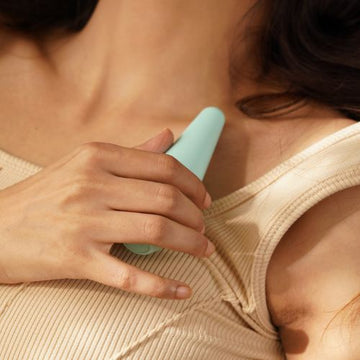
With personal wellness products. All personal massagers work more comfortably with lubricant. The smooth silicone surface of products like the MyMuse Groove+ (Rs 2,999) pairs perfectly with a water-based formula.
During perimenopause and menopause. Declining estrogen levels reduce natural lubrication, and a quality lubricant can be genuinely transformative for intimacy during this stage of life.
For solo exploration. Lubricant enhances solo intimacy just as effectively as partnered experiences. There is no minimum number of participants required to justify using lube.
How to Introduce Lubricant With a Partner
If your partner has not used lubricant before, or if you are navigating cultural assumptions about what needing lube means, here are approaches that work:
Frame it as an upgrade, not a fix. Just as you might suggest trying a new restaurant not because the old one was bad but because exploring is fun, lubricant is an addition to something that is already good.
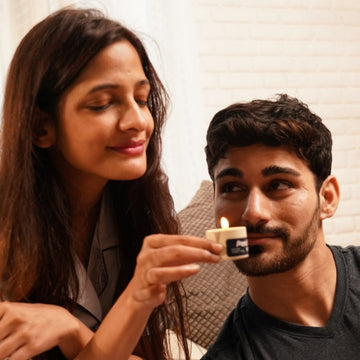
Normalise it through action. Sometimes the easiest approach is to simply include it rather than making it a conversation. Apply it as part of foreplay, as naturally as you would light a candle or put on music.
Make it sensory. Warming lubricant between your palms before applying it turns the application into a sensual act rather than a clinical one.
Address misconceptions directly. If your partner interprets lubricant use as a reflection of their skill or your desire, address it honestly. Natural lubrication varies for a hundred reasons. Using lubricant is a sign of body awareness, not inadequacy.
Storage and Shelf Life
Lubricants do expire. Check the expiration date on the packaging and replace products that have passed it. Store lubricant at room temperature, away from direct sunlight. Water-based lubricants typically last 1-3 years from the date of manufacture. Silicone-based lubricants tend to have a longer shelf life.
If the texture, colour, or smell of your lubricant has changed noticeably, discard it regardless of the expiration date.
Common Questions About Lubricant Guide Complete
Does needing lubricant mean I am not aroused enough?
No. Natural lubrication is influenced by hydration, hormones, medication, stress, cycle phase, and many other factors that have nothing to do with arousal. Many highly aroused people still benefit from additional lubrication. It is completely normal and not a reflection of desire.
Can lubricant cause infections?
A well-formulated lubricant with a pH between 3.8 and 4.5 (matching vaginal pH) and without irritating ingredients should not cause infections. In fact, using lubricant can reduce friction-related microtears that can increase infection risk. Choose glycerin-free, paraben-free formulas for the safest option.
Can I use coconut oil as lubricant?
Coconut oil is a popular natural option, but it is not universally recommended. It degrades latex condoms, can disrupt vaginal pH, and may increase infection risk for some people. It works well for external massage and for those who do not use latex barriers, but a purpose-made water-based lubricant is the safer all-around choice.
How much lubricant should I use?
Start with a coin-sized amount and add more as needed. It is always easier to add more than to deal with excess. Different activities may require different amounts. There is no such thing as too much lubricant from a safety perspective, though excess can reduce friction to the point of reduced sensation.
Is lubricant safe during pregnancy?
Water-based lubricants without harmful additives are generally considered safe during pregnancy. However, check with your obstetrician, especially if you are using any lubricant with added ingredients. Some healthcare providers recommend specific brands or formulations during pregnancy.
Designed for Real Bodies
A quality water-based lubricant is the single most impactful addition to your intimate wellness routine. Try it once and you will wonder why you waited.
Browse Products- 100% Body-Safe Materials
- Discreet Packaging & Billing
- Trusted by 3.75L+ Customers
- 100-Day Warranty
Last updated: April 2026